Ancient cylinder seals and more
In ancient Sumeria, Babylon and the surrounding regions, a system of standardized weights developed prior to 2,800 BC to provide for fairness from vendors of valuable commodities such as spices and minerals. From their earliest appearance, many if not most of these weights were carved or cast in the shape of a duck, with its head resting on the center of its back. Weights in this form were used throughout the Levantine area, and were officially moderated to ensure fair play among tradesmen and their customers. The Babylonian system of weights was based upon the shekel, 𒂆, in cuneiform, minas and talents. Sixty shekels made up a mina or mana (= about one pound or one-half kilogram), and sixty minas equaled a talent. Weights were notched to indicate their weight although the markings were often so complex that they might have been used (or reused) as seals. They were made to be both functional and aesthetically appealing, suggesting that the people who used them valued beauty in everyday objects.
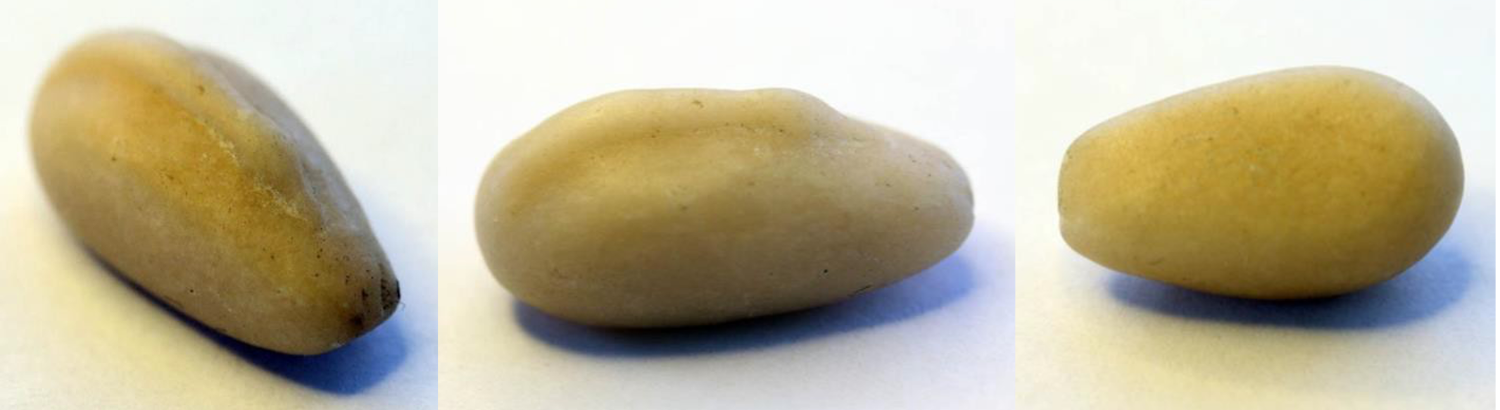
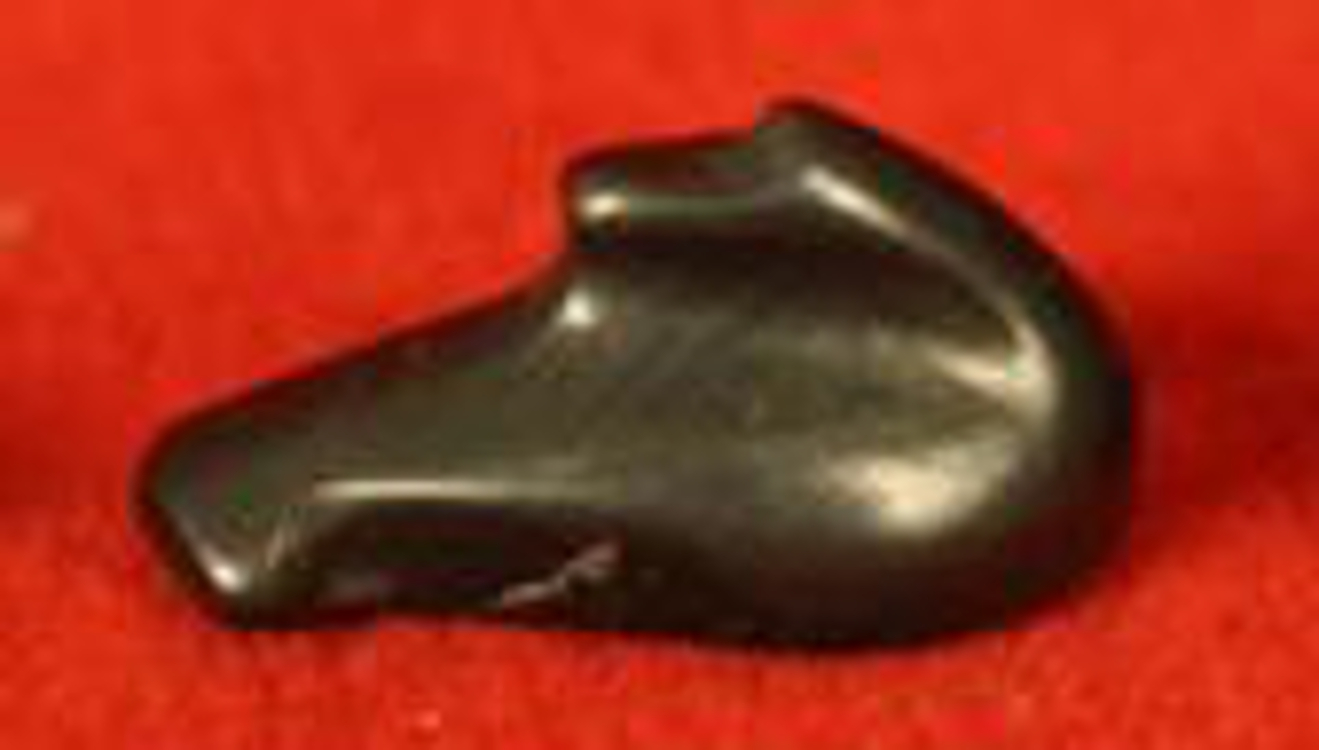
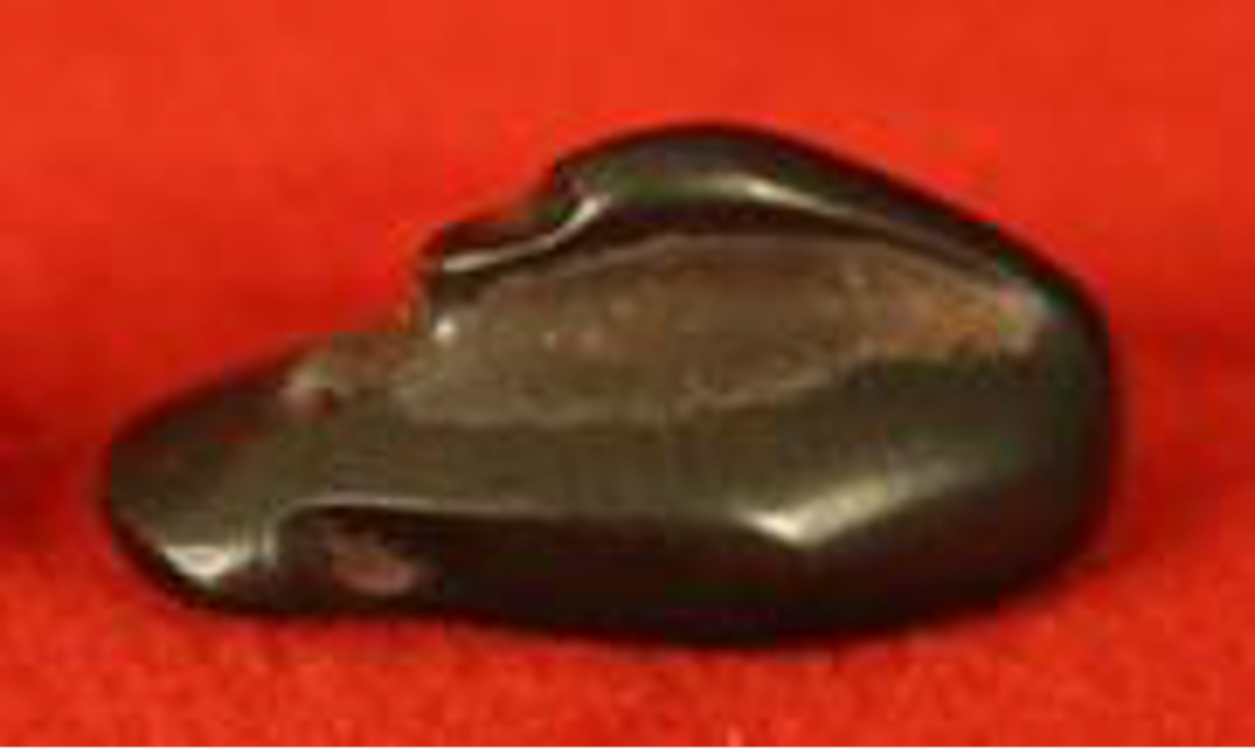
Old Babylonian duck weight in a white stone, from the period 1925 – 1595 BC. The form of the duck abbreviated, with the long neck hugging the body, the head resting flat in the center of the back, flattened along the bottom. Size: ca. 20 mm. This carefully carved weight has neither a hole for suspension nor any seal cuttings of markings, which is quite unusual for these objects and weighs 2.2 grams, representing one-third shekel on the Old Babylonian standard.
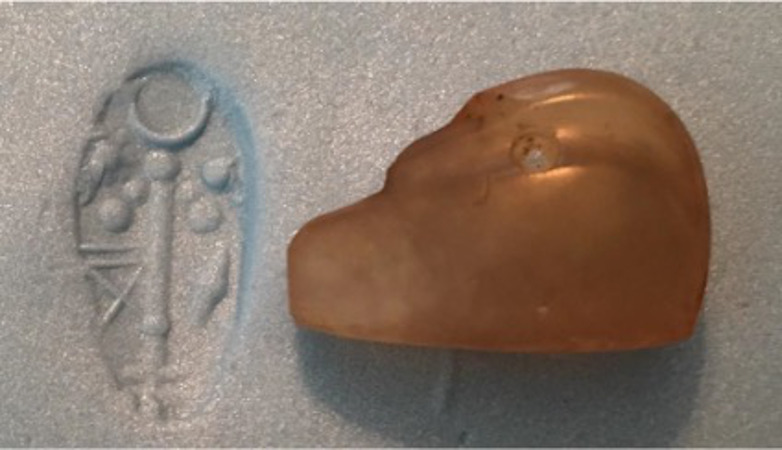
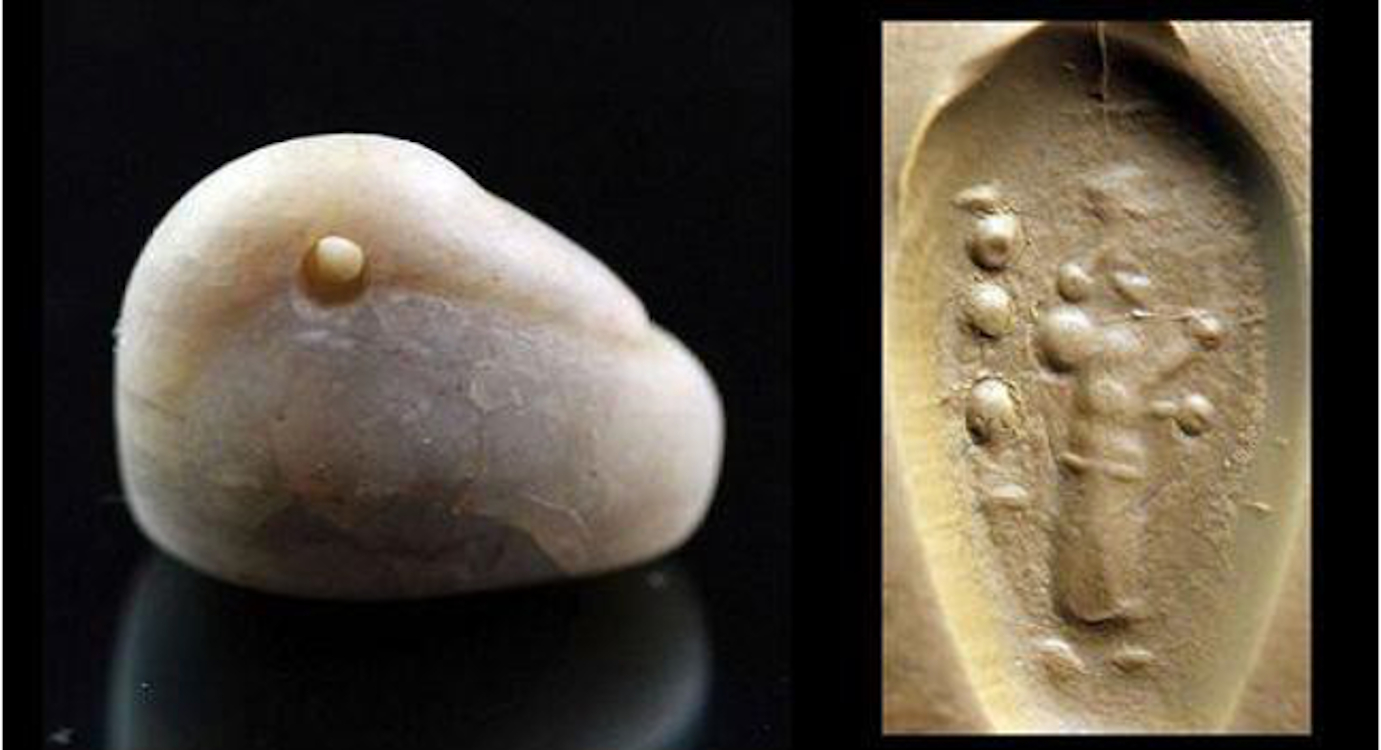
Neo-Assyrian duck weight seal, 8th Century BC, made as a weight, later re-used as a seal. Pinkish marble, engraved with a male bearded god standing with his back against an altar. Measuring 23 mm in length and weighing 5.7 grams, making this a two-thirds shekel weight, according to the slightly heavier Assyrian standard of the period.
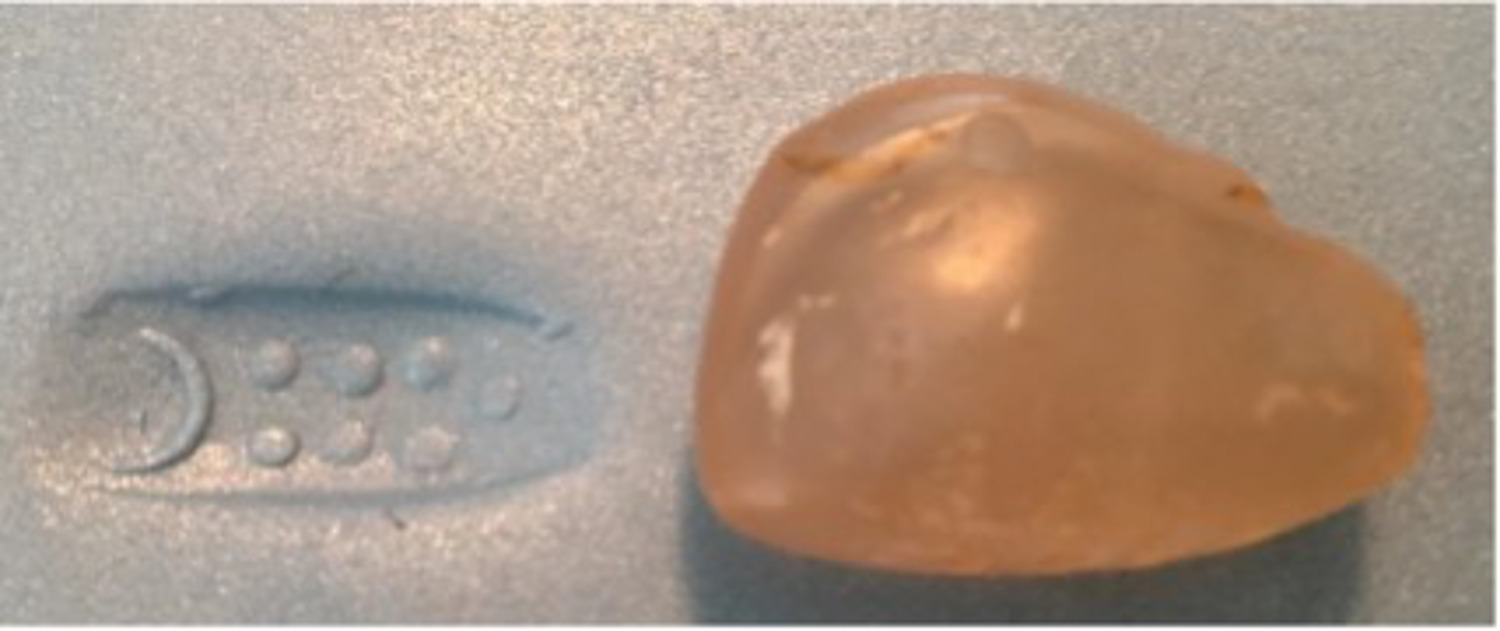
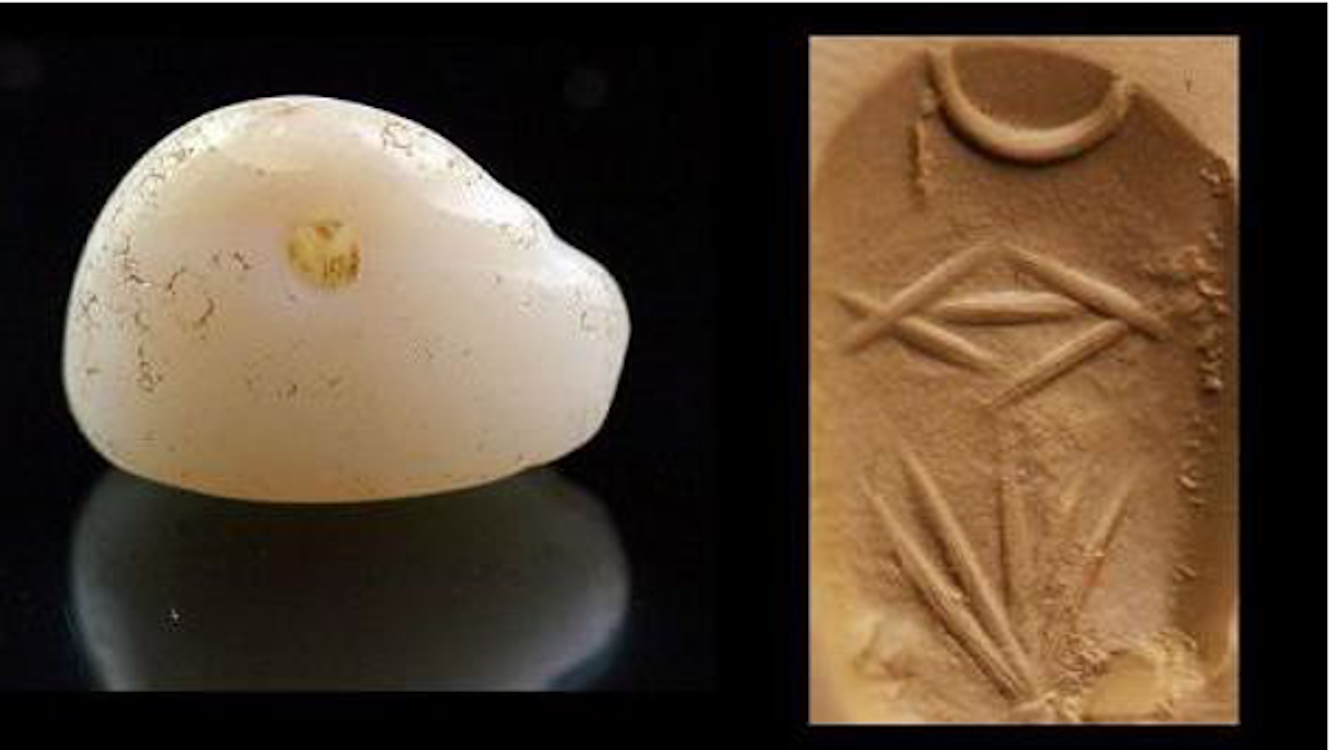
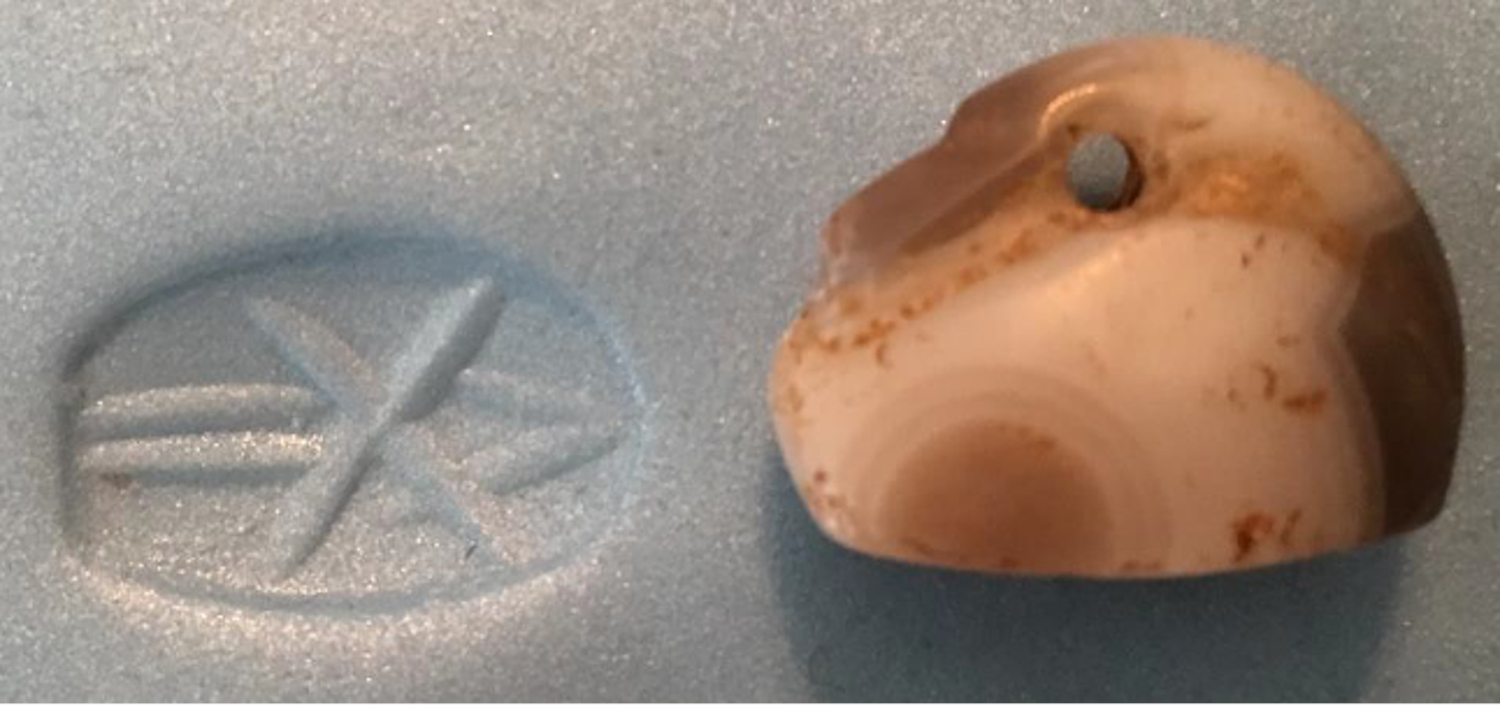
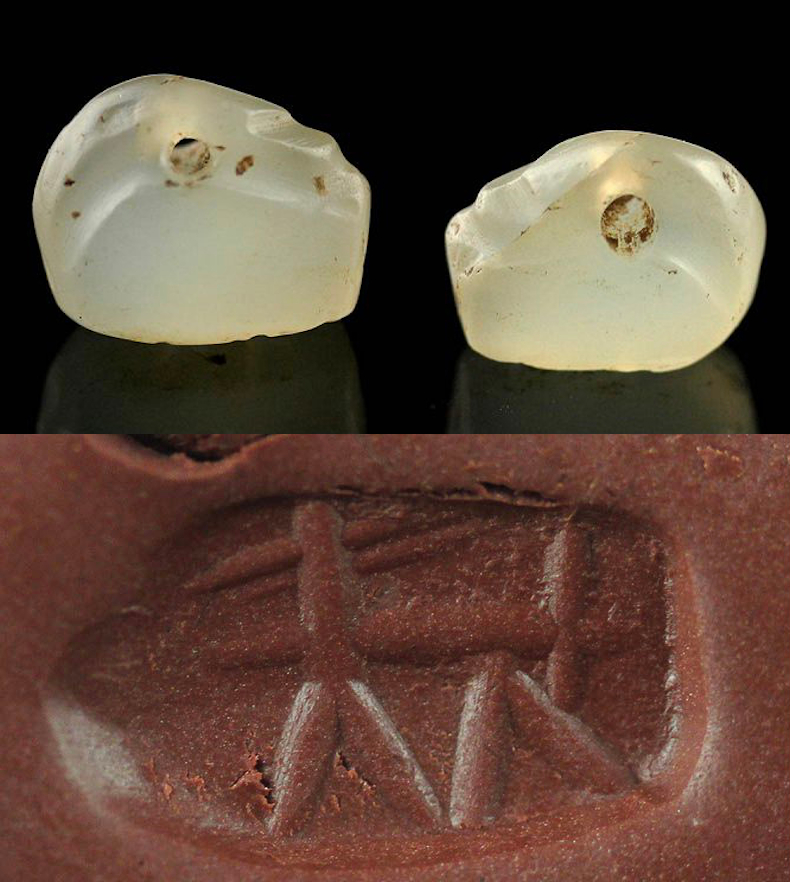
9th – 8th Century BC, early Neo-Assyrian banded agate duck weight with stamp seal on its bottom featuring the star of Ishtar and the stylus and spear of Marduk. This seal is carved in the form of a duck abbreviated, with the long neck hugging the body, the head resting flat in the center of the back. Weighing 5.3 grams, this is a one-half shekel weight, according to the standard of the period.
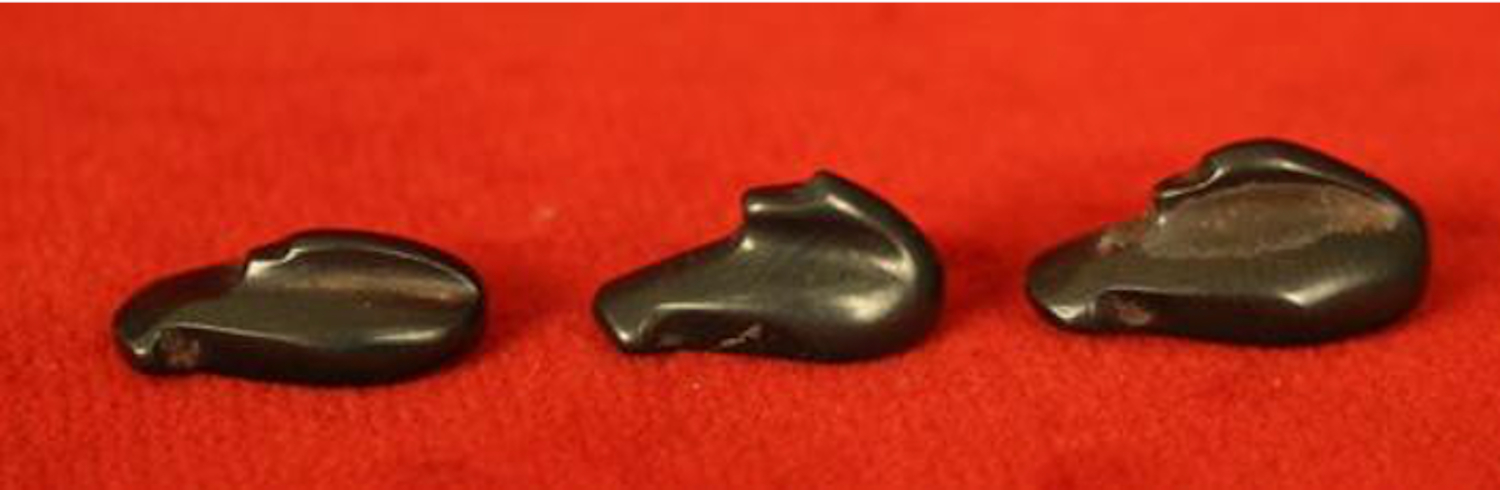
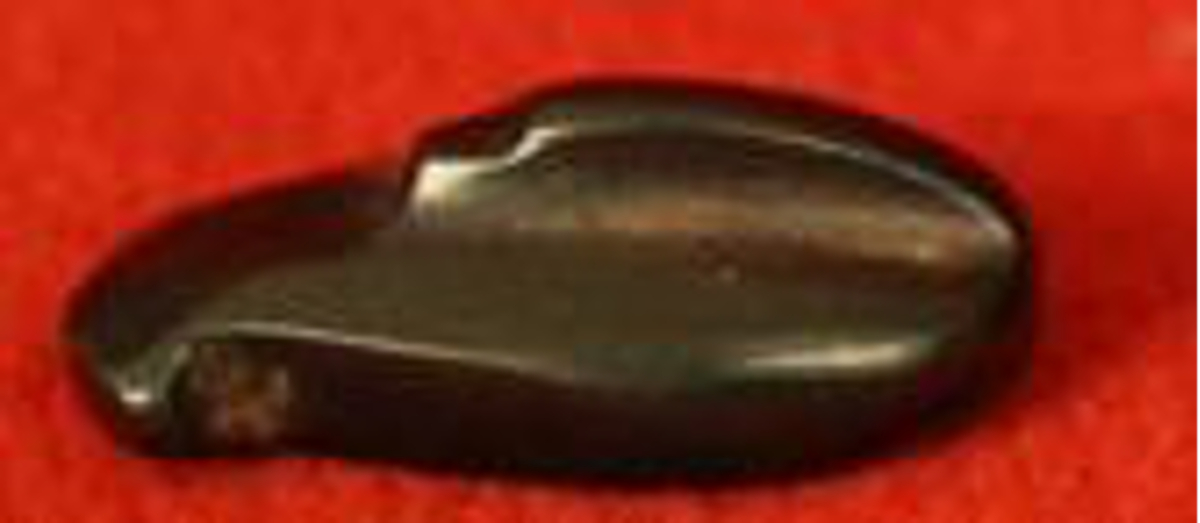
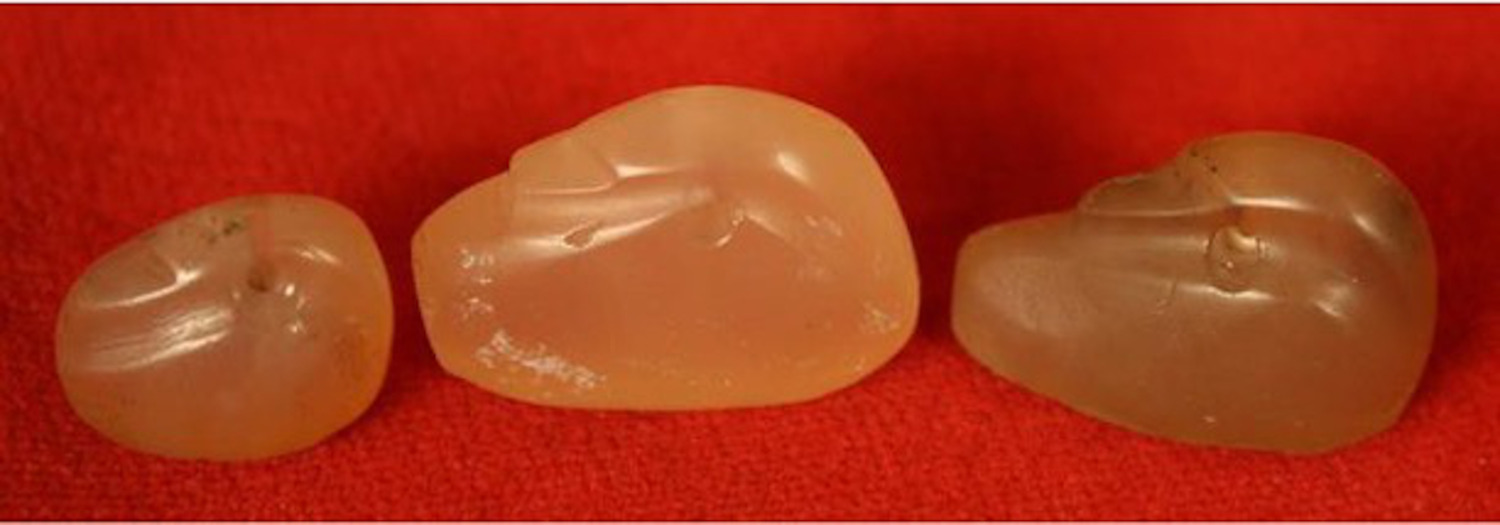
Items 165, 166, and 167, shown together in ascending sizes, comprising a “family” or partial set of Old Babylonian duck weights of varying weights and sizes.
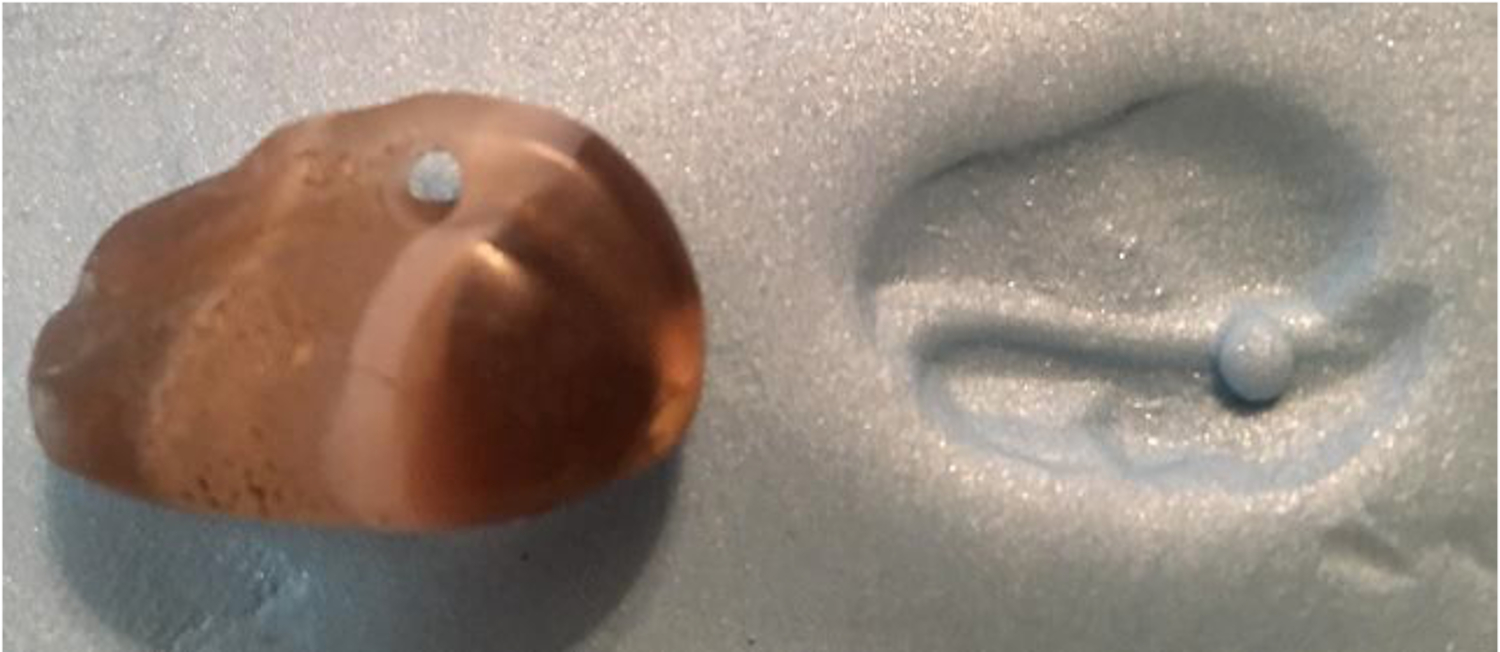
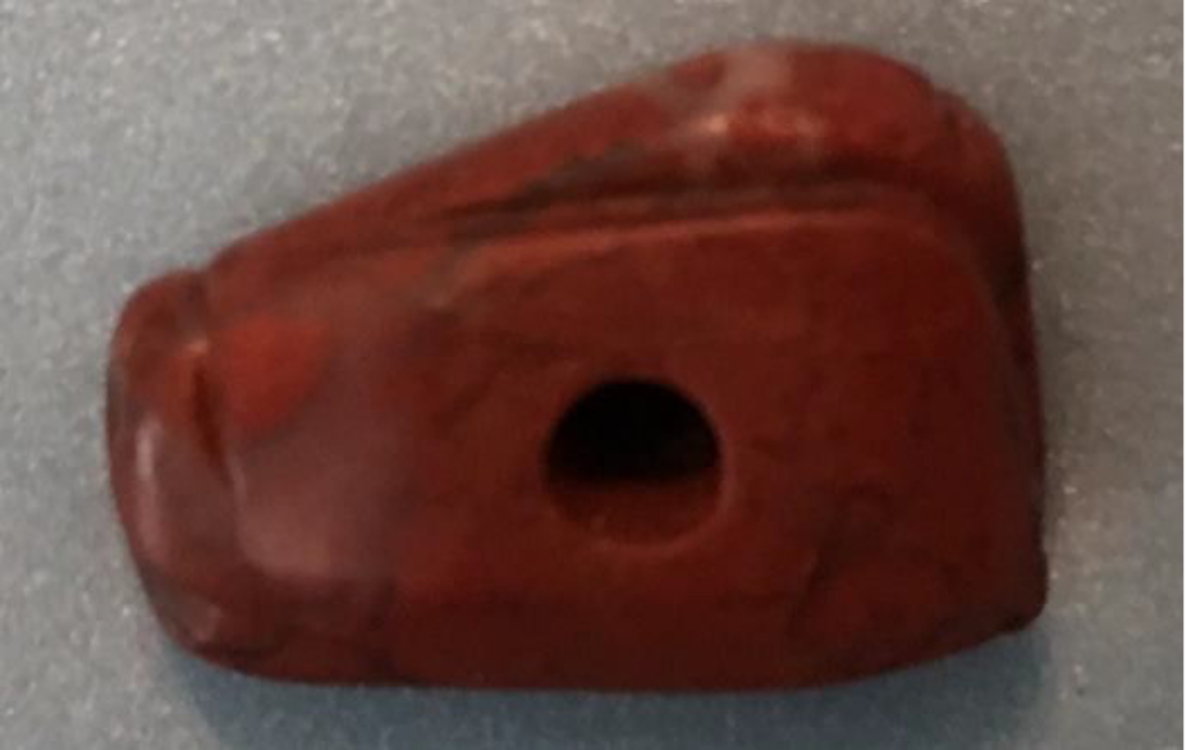
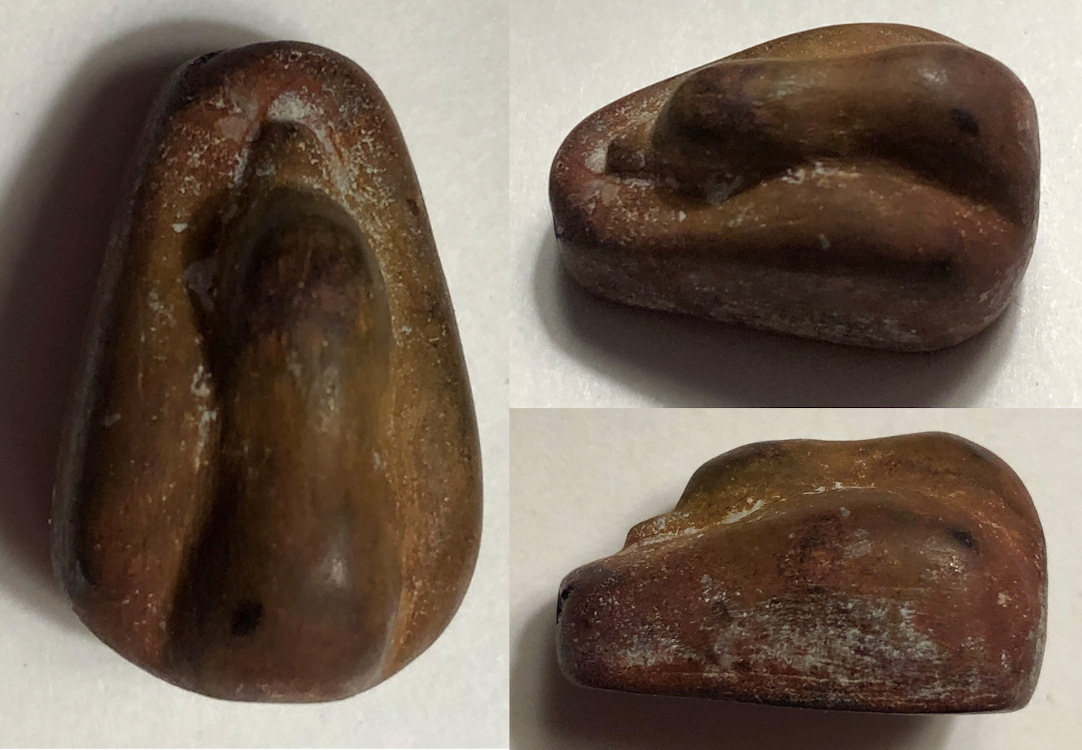
Ancient Mesopotamian, likely northern Syrian, genuine red stone duck weight from the First Millennium BC. This hard stone artifact weighs 12.46 grams or in ancient terms 30 gur (gerah) or one and one-half shekels. It measures one inch in length and one half inch across at the widest point. It is larger size and the absence of a drill hole make it more rare. This fine item is from an old US collection and was first purchased by the collector in 1970 from a respected London dealer.
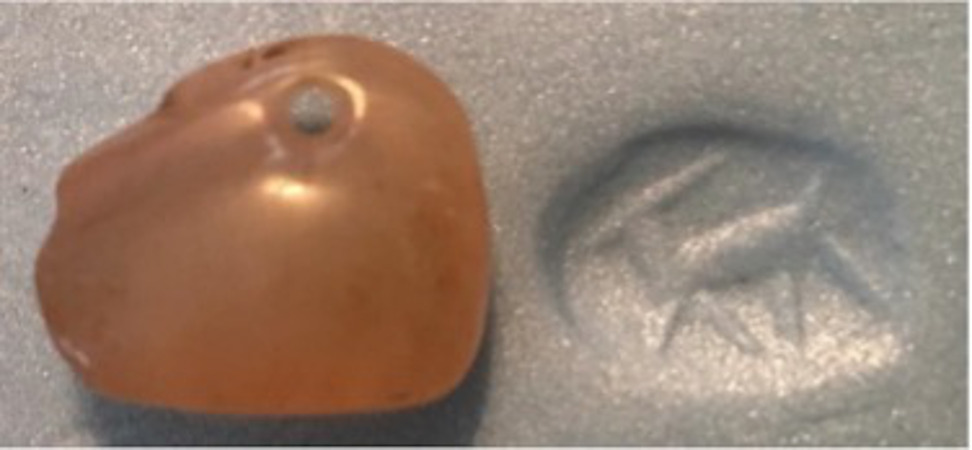
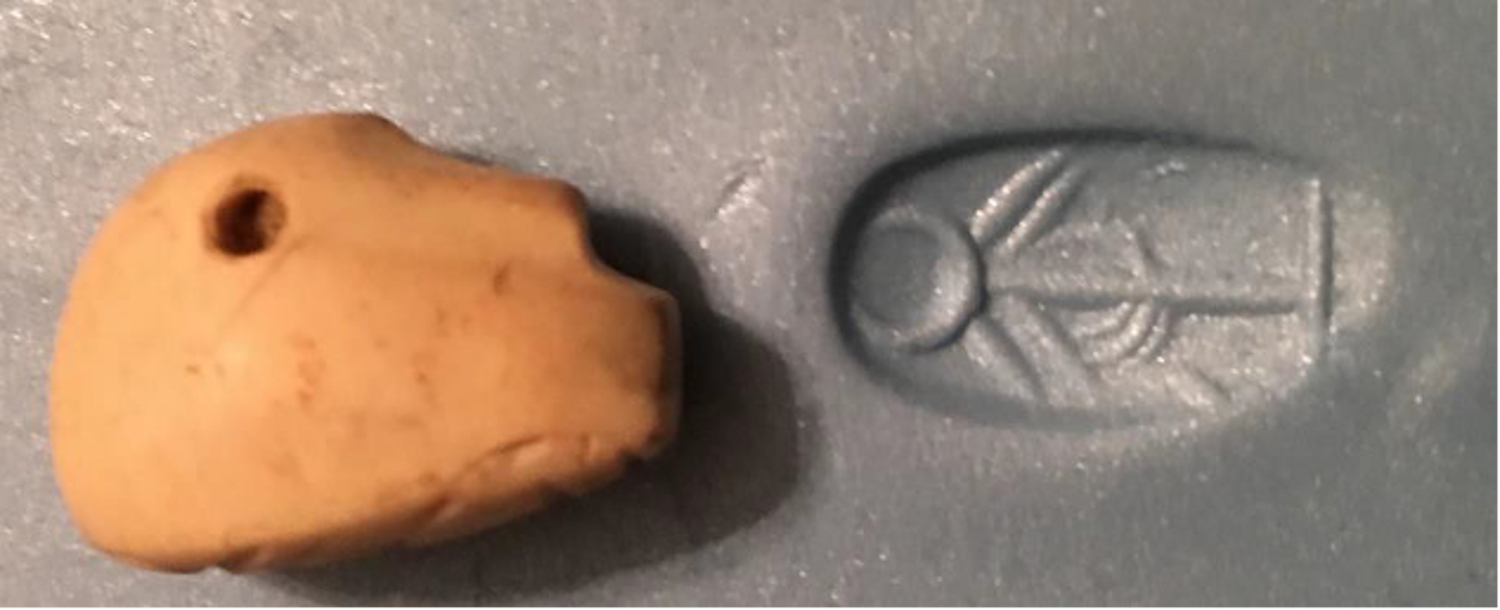
A bright white agate duck weight and seal made by the Sumerians in the 3rd millennium as a weight, converted by the Neo-Babylonians to a personal stamp seal in the 9th-7th century BC. This stone features a later Assyrian carving of an animal and measures 15 mm at its widest point..